
The transition from summer to winter is rarely gentle on human skin. As temperatures fall, the crisp autumn breeze quickly gives way to bitter winds, plunging atmospheric moisture, and the artificial warmth of indoor heating systems. Within weeks, a complexion that felt balanced, supple, and glowing in July can suddenly turn dry, reactive, and dull by November.
Many people respond to this seasonal shift with frustration, wondering why the holy-grail moisturizer or reliable cleanser that worked wonders all summer is suddenly falling short. The reality is that skin biology does not exist in a vacuum. It responds constantly to ambient humidity, UV radiation levels, and ambient temperature. When your surrounding environment changes fundamentally, your daily regimen must adapt in tandem.
Transitioning your skincare routine from summer to winter is not about discarding everything in your vanity and buying an entirely new product line. Instead, it requires a strategic, stepwise recalibration. By understanding how cold weather alters the skin barrier, you can adjust your cleansing methods, modulate your active ingredients, and build a fortress of hydration that keeps your complexion resilient all winter long.
The Science of the Winter Skin Barrier
To adjust your routine intelligently, you must understand what happens beneath the surface when the seasons turn. In the summer, higher temperatures stimulate the sebaceous glands to produce more natural sebum, while atmospheric humidity continuously deposits ambient water vapor onto the skin’s surface. These factors naturally reinforce your moisture barrier, often masking underlying dryness and allowing you to tolerate lighter products and more frequent exfoliation.
Winter reverses these conditions entirely. Cold air holds far less moisture than warm air. When freezing outdoor air meets indoor radiators and forced-air heating, indoor relative humidity often drops below twenty percent—drier than many desert regions.
This arid environment creates a steep moisture gradient between your skin and the surrounding air, accelerating a physiological process called transepidermal water loss (TEWL). Water from the deeper epidermal layers migrates to the surface and evaporates into the dry atmosphere.
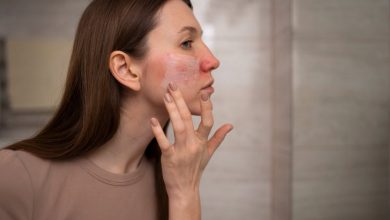
Simultaneously, cold temperatures cause sebum to become thicker and less fluid, preventing your natural oils from spreading evenly across the face to form a protective seal. As the lipid matrix of the stratum corneum—the outermost cellular layer composed of ceramides, cholesterol, and fatty acids—contracts and develops microscopic cracks, the skin loses its ability to retain moisture. The result is tightness, persistent flaking, redness, and heightened sensitivity to products that previously caused no irritation.
Swapping the Cleanser: Stop Stripping the Canvas
The foundation of every winter skincare transition begins at the sink. In the warmer months, high sebum production, sweat, and water-resistant sunscreens often necessitate gel-based, foaming, or clarifying cleansers containing mild surfactants or gentle exfoliating acids. These formulas are designed to dissolve excess oil and deliver that clean, refreshed feeling.
In winter, continuing to use a high-foaming or oil-stripping cleanser is the fastest way to compromise your acid mantle. Stripping away what little surface sebum your skin is producing leaves your newly vulnerable stratum corneum completely unprotected.
Shift toward cream cleansers, cleansing milks, or rich cleansing balms. These formulations rely on gentle emulsifiers and lipid-rich bases that dissolve makeup and pollutants without leaching natural moisture from the skin. When you rinse them away, your face should feel soft, comfortable, and pliable—never squeaky, tight, or parched.
Pay close attention to water temperature as well. While stepping into a steaming hot shower or splashing hot water on your face feels comforting on a freezing morning, scalding water melts the essential lipids holding your skin cells together, compounding barrier breakdown. Commit to washing your face exclusively with lukewarm water year-round.
The Hydration Dilemma: Water vs. Lipids
One of the most widespread mistakes people make during winter is conflating dehydration with dryness. Dehydration refers to a lack of water inside the skin cells, whereas dryness refers to an underproduction of oil (lipids). Winter invariably causes both, meaning your routine must supply both water and oil in a balanced hierarchy.
A skincare regimen that delivers only water-binding humectants—such as hyaluronic acid or glycerin—can actually worsen dehydration in arid winter climates. Humectants work by pulling moisture toward themselves. When ambient humidity is high, they pull water from the air into the skin. When ambient air is bone-dry, unsealed humectants will pull water upward from the deeper dermis, where it quickly evaporates into the room.
To prevent this phenomenon, practice intentional layering:
-
Hydrate first on damp skin: Apply your hydrating essences, toners, or serums containing hyaluronic acid, beta-glucan, or panthenol immediately after cleansing, while your face is still slightly damp. Never apply a humectant to completely dry skin in a heated room.
-
Support with emollients: Follow with formulas containing physiological lipids—specifically ceramides, squalane, and fatty acids. These ingredients act as cellular spackle, filling the microscopic gaps between shedding skin cells and smoothing the rough surface texture.
-
Lock in with occlusives: In freezing or heavily heated environments, finish with a heavier cream containing occlusive ingredients like shea butter, dimethicone, or petrolatum. Occlusives form a physical, hydrophobic film over the skin, effectively slamming the door on transepidermal water loss.
Recalibrating Potent Actives and Exfoliants
Summer skin can typically withstand a robust lineup of active ingredients, including daily exfoliating toners, high-strength alpha-hydroxy acids (AHAs), and strong retinoids. In winter, holding on to this aggressive schedule is a recipe for chemical dermatitis and chronic inflammation.
Dialing Back Exfoliation
When the skin barrier is stressed by dry air, its natural desquamation process—how old cells detach and shed—becomes irregular, creating rough, patchy flakes. The immediate temptation is to reach for physical scrubs or high-percentage glycolic acid peels to smooth the surface.
Resist this urge. Flaking skin in winter is an indicator of barrier breakdown, not a failure of hygiene or exfoliation. Aggressive scrubbing strips away the few healthy lipids remaining, accelerating the cycle of irritation.
Scale your chemical exfoliation back to once or twice weekly at most. If your skin is particularly sensitive, swap potent glycolic acid for gentler alternatives like lactic acid, which possesses natural humectant properties, or polyhydroxy acids (PHAs), which have larger molecular weights that penetrate the skin more slowly and evenly without triggering irritation.
Buffering Your Retinoids
Retinoids remain the gold standard for stimulating collagen production and cellular renewal, but they inherently increase skin sensitivity and dryness during the early stages of use. When paired with dry winter air, retinoids can provoke intense peeling, burning, and redness.
You do not need to abandon your retinoid altogether, but you should adjust how you apply it:
-
Reduce application frequency from nightly to every other night or three times a week.
-
Employ the sandwich method: apply a light layer of basic moisturizer first, wait ten minutes for it to absorb, apply your pea-sized amount of retinoid, and finish with a richer layer of lipid cream on top. This slows the rate of retinoid penetration without dampening its long-term biological efficacy.
-
Avoid combining retinoids and exfoliating acids in the same evening routine entirely.
The Non-Negotiable Sunscreen Rule
A common seasonal myth is that sunscreen is strictly a summer necessity. Because the weather turns overcast and the sun feels weaker on your skin, many people pack away their daily SPF alongside their swimsuits.
This is a dangerous miscalculation. While ultraviolet B (UVB) rays—the wavelengths responsible for surface sunburn—weaken significantly during winter months, ultraviolet A (UVA) rays remain virtually constant all year long. UVA rays penetrate deep into the dermis, breaking down collagen, driving oxidative stress, and promoting photoaging. Furthermore, UVA rays penetrate standard window glass, meaning you remain exposed while sitting in your car or working near an office window.
If you live in an area that receives snowfall, your UV exposure can actually surge. Fresh snow reflects up to eighty percent of UV radiation, effectively bouncing the rays back up at your face from the ground and nearly doubling your overall exposure.
The solution is not to skip sunscreen, but to switch the formula you use. Swap the ultralight, oil-controlling, or matte-finish sunscreen fluid you relied on during humid summer afternoons for a rich, moisturizing sunscreen cream that contains hydrating ingredients like ceramides, vitamin E, or niacinamide. This allows your daily sun protection step to double as a supportive barrier cream.
Environmental and Lifestyle Adjustments
A truly effective skincare transition looks beyond the products resting on your bathroom counter. The micro-environment you spend your days and nights in dictates the hydration levels of your skin just as much as any topical serum.
Invest in a cool-mist humidifier. Placing a humidifier in your bedroom—ideally running throughout the night—is one of the most transformative adjustments you can make for winter skin. Raising the relative humidity of your immediate sleeping space creates an atmospheric cushion, drastically slowing overnight moisture evaporation from your face and lips.
Protect physical barriers outdoors. When walking into freezing winds, physical protection matters. Cold air pulling moisture from your face can cause windburn, a form of acute irritant contact dermatitis. Pulling a soft scarf up over your lower face and applying a dedicated occlusive balm to your lips and cheekbones before heading outdoors prevents environmental chapping.
Hydrate your body consistently. In summer, heat makes thirst obvious, prompting us to reach for water constantly. In winter, that natural thirst mechanism often subsides, leading to involuntary systemic dehydration. Keep drinking fluids steadily throughout the day, and incorporate warm herbal teas or broths to maintain cellular hydration from the inside out.
Transitioning your skincare routine from summer to winter is an exercise in listening to your skin rather than following a rigid, year-round script. When you trade harsh cleansers for nourishing milks, replace light gels with restorative lipid creams, and buffer your actives against environmental stress, your skin can easily weather the coldest months with radiance, comfort, and strength.