Health
The Skin Under Pressure: How Chronic Stress Alters Your Complexion from the Inside Out


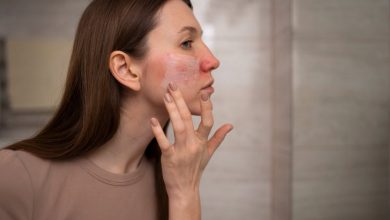
The connection between mental state and physical health is rarely subtle, but nowhere is it more visually apparent than on the skin. While people often view the complexion as a purely aesthetic canvas managed by topical creams and cleansers, it functions primarily as an interactive biological envelope. It reacts continuously to hormonal signals, immune shifts, and neurological cues. When psychological pressure mounts, the skin is frequently the first organ to broadcast that systemic distress.
This reaction is not a coincidence; it is rooted in human embryology. During early fetal development, the skin and the central nervous system arise from the very same embryonic layer, known as the ectoderm. Because of this shared developmental origin, the brain and the skin communicate through an intricate, bidirectional highway called the brain-skin axis. When stress overwhelms the mind, the skin receives the signal immediately, manifesting internal turbulence as inflammation, barrier breakdown, and visible irritation.
The Brain-Skin Axis: The Biology of Dermatological Stress
To understand why the skin reacts to emotional strain, one must look at the neuroendocrine cascade triggered by perceived stress. When the brain senses a threat—whether a looming deadline, personal grief, or chronic exhaustion—the hypothalamic-pituitary-adrenal axis kicks into gear. This chain reaction stimulates the adrenal glands to flood the bloodstream with glucocorticoids, primarily cortisol, alongside adrenaline and corticotropin-releasing hormone.
What dermatologists have uncovered in recent decades is that this response is not confined to internal glands. The skin itself possesses a fully functional, localized version of this stress response system. Keratinocytes, fibroblasts, and sebaceous glands all express receptors for stress hormones and can even synthesize their own cortisol locally.
When cortisol floods skin tissue continuously, it alters cellular turnover, weakens the immune defense, and impairs the skin’s ability to repair everyday wear and tear. What begins as an adaptive biological response meant to preserve energy for physical survival becomes, in a modern chronic context, a persistent driver of cellular dysfunction.
Uncontrolled Breakouts and the Cortisol-Sebum Cascade
One of the most immediate and recognizable consequences of psychological strain is the sudden emergence of adult acne. While teenage breakouts often stem from androgen surges during puberty, stress-induced breakouts follow a distinct physiological pathway driven by corticotropin-releasing hormone and cortisol.
Under chronic stress, sebaceous glands receive direct hormonal cues to expand and accelerate lipid production. Crucially, the oil produced under high-stress conditions is biochemically different from standard sebum. It contains a higher ratio of squalene peroxides and inflammatory fatty acids, making it thicker and significantly more comedogenic.
At the same time, elevated stress hormones disrupt the natural shedding of dead cells inside the pore lining. Instead of sloughing off cleanly, these cells stick together, forming an ideal microenvironment for Cutibacterium acnes bacteria to multiply.
Because stress suppresses local skin immunity, the body cannot resolve minor bacterial colonization quietly. Instead, the immune system launches an aggressive, disorganized inflammatory attack. This mechanism produces deep, tender, cystic blemishes that settle along the jawline, chin, and lower cheeks. These breakouts take longer to emerge and remain inflamed far longer than typical surface blemishes.
Barrier Degradation, Dehydration, and Sudden Sensitivity
A healthy skin barrier acts as a resilient shield, locking in moisture while keeping pathogens, environmental toxins, and chemical irritants out. This protective mantle relies on a delicate balance of lipids, particularly ceramides, cholesterol, and free fatty acids.
Sustained levels of systemic cortisol directly inhibit lipid synthesis within the stratum corneum. As lipid production stalls, the cellular cement holding surface cells together begins to dissolve. This structural failure leads to an immediate spike in transepidermal water loss, a condition in which critical moisture evaporates continuously into the surrounding atmosphere.
The clinical result is skin that feels parched, tight, and rough to the touch, regardless of how much rich moisturizer is applied. Even more frustrating for sufferers is the sudden onset of hyper-reactivity. Skincare formulations that previously caused no irritation—such as gentle cleansers, sunscreen, or mild botanical extracts—can suddenly trigger burning, stinging, and visible redness.
With its protective shield compromised and antimicrobial peptide production diminished, the skin is left vulnerable to ordinary atmospheric friction and micro-injuries.
The Flare-Up of Chronic Inflammatory Dermatoses
For individuals diagnosed with chronic dermatological conditions like eczema, psoriasis, or rosacea, stress is rarely an isolated annoyance; it is a primary catalyst for severe relapse.
The physiological bridge connecting emotional distress to intense skin flare-ups is neurogenic inflammation. When sensory nerve fibers in the skin detect systemic stress signals, they release a collection of neuropeptides, including Substance P and calcitonin gene-related peptide.
These neuropeptides bind directly to mast cells stationed in the dermis, prompting them to degranulate and dump large stores of histamine and pro-inflammatory cytokines into surrounding tissue.
Eczema and Psoriasis Under Systemic Pressure
In eczema, this rapid influx of histamine triggers intense itching, which provokes immediate scratching. Scratching further shreds the fragile epidermal barrier, inviting bacterial colonization and stimulating yet more histamine release, cementing the vicious itch-scratch cycle.
In psoriasis, the flood of inflammatory cytokines accelerates keratinocyte proliferation out of control. Skin cells that normally take nearly a month to mature and shed migrate to the surface in just three to five days, piling up into thick, inflamed, silvery plaques.
Rosacea and Neurovascular Reactivity
Rosacea manifestations under stress are driven by the autonomic nervous system. The acute surge of adrenaline dilates facial capillaries, flooding the cheeks, nose, and forehead with warm blood. While an occasional stress flush fades within minutes, sustained tension keeps these microvessels perpetually engorged. Over time, the vessel walls weaken and lose elasticity, transforming transient emotional redness into permanent telangiectasias, stubborn papules, and chronic facial warmth.
Accelerated Aging, Collagen Depletion, and Dulled Complexion
The aging process is governed by both intrinsic biological clocks and environmental exposure, but psychological strain serves as a powerful accelerator of structural tissue decline.
Collagen and elastin provide the structural scaffolding that keeps facial contours firm and plump. When cortisol levels remain elevated around the clock, the hormone triggers the breakdown of structural proteins while concurrently suppressing fibroblast activity, the cellular engines responsible for building fresh collagen. This creates an unfavorable metabolic deficit where structural fibers degrade faster than the body can synthesize them.
Concurrently, psychological strain contributes to oxidative stress by flooding cells with reactive oxygen species that damage cellular membranes and shorten telomeres, the protective caps at the ends of chromosomes. This cellular erosion manifests visibly as:
-
Premature fine lines that etch deeper into areas of repeated expression, such as the forehead and between the brows.
-
Loss of cutaneous bounce and structural volume around the mid-face.
-
A pronounced dullness and sallow undertone, caused by peripheral vasoconstriction that reroutes nutrient-rich oxygen away from peripheral dermal capillaries toward vital internal organs.
-
Prolonged wound healing, causing post-inflammatory hyperpigmentation and minor blemishes to linger on the complexion for weeks rather than resolving cleanly.
The Behavioral Toll: Subconscious Physical Habits
The physical toll of stress on the skin is not solely biochemical; it is also heavily behavioral. Chronic mental exhaustion often degrades impulse control and sparks subconscious self-soothing behaviors that physically traumatize the epidermis.
Many people respond to tension with absentminded skin picking, rubbing, or compulsive face-touching throughout the day. Minor textural irregularities or small clogged pores that would otherwise resolve undisturbed are squeezed, scratched, or picked open. This mechanical trauma introduces opportunistic bacteria from fingertips into open wounds, creating secondary bacterial infections, micro-scarring, and long-lasting discoloration.
Compounding this mechanical damage is the inevitable disruption of restorative sleep. Nighttime is when the body undertakes the bulk of its physiological tissue repair, downregulating cortisol and pumping out growth hormone to stimulate cellular renewal.
When stress fractures sleep architecture, the complexion misses its primary reparative window. Elevated nighttime cortisol hinders barrier reconstruction, exacerbates fluid retention, and leads to chronic periorbital puffiness and dark under-eye circles.
Restoring Equilibrium: A Grounded Approach to Stress-Compromised Skin
Treating skin altered by psychological pressure requires shifting away from aggressive corrective regimens toward gentle, supportive stabilization. When the complexion is reeling from a neuroendocrine storm, treating it with harsh chemical exfoliants, drying spot treatments, and complex multi-step routines almost always exacerbates the damage.
The first step in clinical management is radical simplification. All active resurfacing ingredients, including strong retinoids, high-percentage alpha hydroxy acids, and foaming astringent washes, should be paused.
The immediate objective is to rebuild the shattered stratum corneum. Skincare choices should prioritize bio-identical lipids, particularly:
-
Ceramides in physiologically balanced ratios to restock the cellular cement.
-
Squalane and fatty acids to reinforce surface elasticity and halt transepidermal water loss.
-
Soothing agents such as colloidal oatmeal, ectoin, and madecassoside to quiet neurogenic inflammation and downregulate mast cell hyperactivity.
However, topical care only addresses the peripheral expression of the problem, not the root engine driving it. Genuine dermatological recovery demands intervention at the level of the autonomic nervous system. Incorporating deliberate practices that stimulate the vagus nerve and dial down sympathetic tone—such as rhythmic diaphragmatic breathing, consistent restorative sleep schedules, and moderate physical movement—directly interrupts the hormonal signaling cascade reaching the dermis.
Approaching skin flare-ups as physiological alarm bells rather than aesthetic defects transforms how we care for ourselves. When the skin breaks out, turns red, or loses its resilience under intense pressure, it is simply translating an internal cry for equilibrium into a visible language. Listening to that signal with restorative care, both topically and holistically, is the only sustainable way to clear the complexion from the inside out.