

Dietary culture spent decades preaching that dietary fat was the ultimate enemy of health and longevity. While mainstream nutrition has gradually walked back the extreme low-fat dogma of the 1980s and 1990s, the impulse to strip fat from meals remains common. Many people switch to egg whites, skinless poultry, steamed greens, and oil-free dressings in pursuit of weight loss or cardiovascular health.
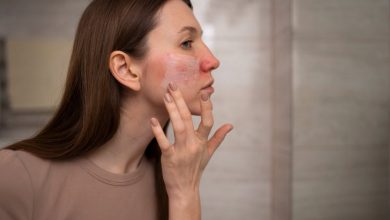
At first, the results might look promising on the scale. But after a few weeks or months, subtle physical changes often begin to surface. The skin on your shins and forearms turns rough and chalky. Your face feels tight after cleansing, no matter how much moisturizer you apply. Your scalp begins to itch, and your hair—once supple and shiny—becomes dull, flyaway, and fragile enough to snap when pulled into an everyday ponytail.
These are not random cosmetic frustrations. They are the physiological symptoms of essential fatty acid depletion. The human body is exceptionally resilient, but when dietary fat drops below a functional threshold, non-vital tissues bear the consequences. Skin and hair are always the first to be sacrificed.
The Skin Barrier and the Evaporating Moisture Myth
When confronted with chronically dry, flaky skin, the instinctual reaction is usually to drink more water. While internal hydration matters, it cannot fix a structural flaw in the skin’s moisture retention system.
The outermost layer of the skin, the stratum corneum, functions very much like a brick wall. The skin cells, or corneocytes, act as the bricks, while a specialized matrix of lipids serves as the mortar. This intercellular mortar is composed roughly of 50 percent ceramides, 25 percent cholesterol, and 15 percent free fatty acids. Together, they create a hydrophobic, impermeable barrier designed to keep pathogens out and water locked inside.
When you drastically eliminate dietary fats, your body lacks the raw materials required to synthesize these crucial lipids. Linoleic acid, an omega-6 polyunsaturated fatty acid, plays an irreplaceable role in assembling acylglucosylceramides, the compounds that anchor the waterproof seal of your skin.
Without adequate dietary lipids, this intercellular mortar begins to degrade. The result is an immediate spike in transepidermal water loss (TEWL). Water from deeper dermal layers migrates to the surface and evaporates into the air unchecked. No matter how many gallons of water you drink each day, the moisture simply leaks out through the compromised barrier. The skin becomes dehydrated, hyper-reactive to topical products, and prone to flaking, redness, and premature fine lines.
The Fat-Soluble Vitamin Paradox
A low-fat diet often creates a secondary, compounding crisis: functional micronutrient starvation. You can eat plates piled high with colorful vegetables, take expensive supplements, and hit your target metrics on paper, yet still suffer from severe deficiencies.
Vitamins A, D, E, and K are fat-soluble. Unlike water-soluble nutrients such as vitamin C and the B vitamins, which dissolve in fluid and enter the bloodstream with ease, fat-soluble vitamins depend entirely on dietary lipids for absorption. In the digestive tract, dietary fat stimulates the release of bile acids, which emulsify nutrients into microscopic droplets called micelles. Without sufficient dietary fat present in the meal, these vitamins pass straight through the gastrointestinal tract unabsorbed.
Vitamin A and Cellular Renewal
Vitamin A is the master regulator of skin cell turnover and differentiation. It ensures that old surface cells shed smoothly while fresh keratinocytes rise to replace them. It also dictates how much sebum your sebaceous glands produce.
When low fat intake impairs vitamin A absorption, the keratinization process malfunctions. Skin cells overproduce structural proteins and fail to slough away properly, clogging hair follicles and creating rough, bumpy patches on the backs of the arms and thighs—a condition known as follicular hyperkeratosis or “strawberry skin.” The scalp suffers a similar fate, alternating between uncomfortable dryness and tight, irritated scaling.
Vitamin E and Oxidative Defense
Vitamin E acts as the primary lipid-soluble antioxidant inside human cell membranes and surface sebum. Its job is to neutralize free radicals generated by sunlight, environmental pollution, and normal metabolic processes.
Without enough dietary fat to transport and replenish vitamin E in the epidermis, the natural oils on your skin and scalp undergo rapid lipid peroxidation. This oxidative stress damages the delicate cellular architecture of the skin barrier and weakens the lipid coating that protects hair shafts from environmental degradation.
Vitamin D and the Follicle Growth Cycle
Vitamin D behaves more like a hormone than a typical vitamin, and hair follicles contain highly active vitamin D receptors. These receptors are essential for cycling the follicle out of its resting phase (telogen) and back into its active growth phase (anagen). When fat malabsorption pulls vitamin D levels down, hair cycles stall. Over time, shedding outpaces regrowth, leading to visible diffuse thinning across the scalp.
Inside the Hair Follicle: Structure, Sebum, and Elasticity
Hair is dead tissue once it emerges past the scalp surface, which means it cannot regenerate or repair itself biologically. Its longevity and structural integrity depend entirely on the conditions under which it was built and the natural conditioning it receives after emergence.
Each hair follicle is paired with a sebaceous gland that secretes sebum, a natural cocktail of triglycerides, wax esters, squalene, and free fatty acids. Sebum travels up the follicle and coats the hair strand from root to tip. This lipid envelope serves several indispensable functions:
-
It lubricates the overlapping scales of the hair cuticle, allowing strands to slide past each other without snagging or tangling.
-
It seals moisture inside the hair cortex, preserving the hydrogen and disulfide bonds that give hair its natural elasticity and bounce.
-
It forms a protective barrier against external friction, heat, and moisture fluctuations that cause frizz.
On an ultra-low-fat diet, the sebaceous glands downregulate their output. Starved of surface lipids, the cuticle scales lift, flare outward, and chip away. When the protective outer cuticle is compromised, the inner cortex dries out, causing the strand to lose its tensile strength.
Instead of stretching and snapping back under mechanical stress like brushing, washing, or tying, the hair simply shears off mid-shaft. This breakage is frequently misdiagnosed as true hair loss, but the root problem is structural fragility driven by lipid starvation.
Furthermore, hair requires a specialized layer of fatty acids bound directly to the cuticle surface, primarily 18-methyleicosanoic acid (18-MEA). This natural lipid coating gives hair its hydrophobic qualities and natural sheen. When lipid synthesis declines internally, new hair grows in lacking this integral moisture shield, emerging rough, porous, and perpetually dull.
Hormonal Balance and Systemic Signaling
Dietary fats do not merely serve as building blocks for cellular structures; they are active signaling molecules and chemical precursors for the endocrine system.
Cholesterol is the fundamental substrate from which all steroid hormones are manufactured, including estrogen, progesterone, and testosterone. When calorie-restricted or extreme low-fat regimens limit cholesterol availability and healthy lipid synthesis, the endocrine system downshifts into a conservation state.
In women, plummeting estrogen levels can dramatically alter the health of the skin and hair. Estrogen supports collagen production, increases skin thickness, and promotes the retention of moisture by stimulating hyaluronic acid synthesis within the dermis. It also prolongs the active growth phase of the hair follicle.
When circulating sex hormones drop as a consequence of prolonged dietary fat deficits, skin thins out, losing its firmness and bounce. Simultaneously, large numbers of hair follicles can prematurely shift into the telogen resting phase, resulting in a sudden, distressing wave of shedding several months after beginning the diet.
Rebuilding the Barrier: Practical Lipid Reintroduction
Repairing the physical damage caused by a prolonged low-fat diet does not require swinging to the opposite extreme of deep-fried foods or excessive saturation. The goal is to provide the body with a consistent, biologically bioavailable spectrum of essential and structural fats.
Prioritize whole, nutrient-dense lipid sources that bring fat-soluble vitamins along with them:
-
Cold-water fatty fish like wild salmon, sardines, mackerel, and trout deliver preformed EPA and DHA. These long-chain omega-3 fatty acids directly resolve low-grade follicular inflammation and integrate into skin cell membranes to restore fluidity.
-
Whole eggs with the yolk provide cholesterol, choline, and biotin, along with high-quality protein to support keratin construction.
-
Extra virgin olive oil and avocados supply oleic acid and polyphenols, supporting skin elasticity and cardiovascular markers simultaneously.
-
Walnuts, chia seeds, and freshly ground flaxseed contribute alpha-linolenic acid, helping to normalize transepidermal water loss.
-
Pasture-raised butter or ghee offers naturally occurring vitamin A and short-chain fatty acids that support intestinal health, ensuring optimal nutrient absorption.
When reintroducing fats after an extended low-fat period, do so gradually over two to three weeks. Your gallbladder downregulates bile production during periods of low dietary fat; giving your digestive tract time to ramp enzyme and bile synthesis back up prevents temporary digestive discomfort or bloating.
What to Expect During the Recovery Phase
Patience is critical when recovering from nutritional depletion. Because skin and hair operate on very different biological clocks, visible improvements will not happen overnight.
The epidermal renewal cycle takes between 28 and 40 days in adults. You should expect to see the initial signs of skin barrier recovery—reduced flakiness, improved tolerance to skincare products, and better surface hydration—within four to six weeks of consistent lipid intake. The skin begins to hold onto its own moisture again, feeling softer and less reactive.
Hair recovery demands a longer view. Because the hair shaft cannot heal existing damage, damaged ends will still need to be trimmed to stop splits from traveling upward. Hair grows at an average rate of roughly half an inch per month. You can expect to notice healthier, shinier new growth emerging at the roots within three to four months, but full restoration of thickness and tensile strength throughout the length of your hair takes time.
Treating dietary fat not as a liability, but as a non-negotiable structural requirement, is the single most effective way to restore resilient, hydrated skin and strong, break-resistant hair from the inside out.