Clinic: Comprehensive Insights into Modern Healthcare Facilities and Patient Care

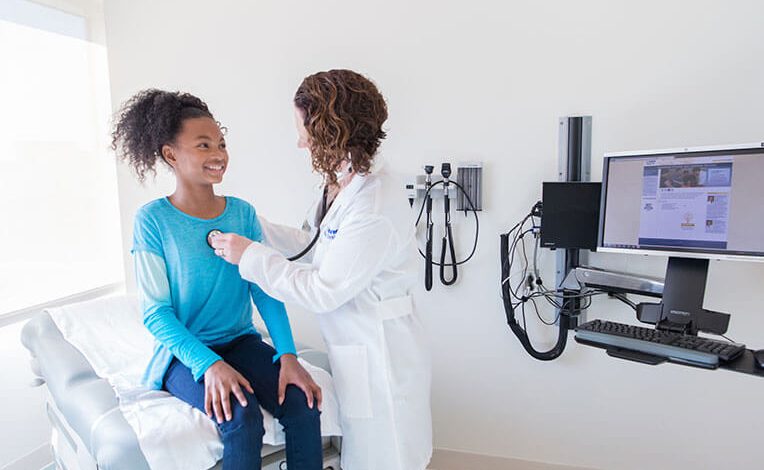
A clinic serves as a cornerstone of modern healthcare, providing diagnostic, preventive, and treatment services to patients across various medical specialities. Unlike hospitals, which focus on emergency and intensive care, clinics primarily cater to outpatient needs, offering accessible healthcare solutions without requiring overnight stays. Understanding the operational dynamics, service offerings, and evolving trends in clinic management is essential for both healthcare professionals and patients seeking optimal care.
Types of Clinics and Their Specialisations
Clinics vary widely based on the services they provide, patient demographics, and operational focus. Recognising the different types helps patients select appropriate care and enables healthcare providers to optimise service delivery.
Primary Care Clinics
Primary care clinics act as the first point of contact for general health concerns. They offer preventive screenings, routine check-ups, vaccinations, and management of chronic conditions such as hypertension or diabetes.
- Key Features:
- Continuity of care with general practitioners (GPs)
- Comprehensive health assessments
- Referral pathways to specialised care when necessary
Specialty Clinics
Specialty clinics focus on particular areas of medicine, such as dermatology, cardiology, endocrinology, or orthopaedics. These clinics provide expert evaluation and targeted treatments that require advanced knowledge and equipment.
- Advantages:
- Access to specialists with concentrated expertise
- Advanced diagnostic tools specific to the field
- Tailored treatment plans based on condition complexity
Urgent Care Clinics
Urgent care clinics bridge the gap between primary care and emergency departments. They address non-life-threatening injuries and illnesses, including minor fractures, infections, or lacerations.
- Operational Features:
- Extended hours including evenings and weekends
- Walk-in appointments without prior scheduling
- On-site diagnostic imaging and laboratory services
Community and Public Health Clinics
Community clinics emphasise preventive care and health education, particularly in underserved areas. They often operate under government or non-profit management to ensure accessible care for all socioeconomic groups.
- Focus Areas:
- Immunisation drives and maternal health
- Health awareness campaigns
- Screening programmes for chronic diseases
Patient-Centric Services in Clinics
Modern clinics prioritise patient-centred care, integrating technology and personalised approaches to enhance outcomes and satisfaction.
Diagnostic and Laboratory Services
Accurate diagnosis is fundamental to effective treatment. Clinics commonly offer:
- Blood tests, urinalysis, and microbiological screenings
- Imaging services including X-rays, ultrasounds, and ECGs
- Advanced point-of-care testing for rapid results
Preventive Healthcare
Proactive health management is crucial for reducing disease burden. Clinics implement:
- Routine health check-ups and risk assessments
- Vaccination programmes for children and adults
- Lifestyle counselling for nutrition, exercise, and mental health
Chronic Disease Management
Chronic conditions require continuous monitoring and structured care plans. Clinics provide:
- Medication management and dosage adjustments
- Patient education for self-care and symptom monitoring
- Telehealth consultations for ongoing follow-up
Mental Health and Wellness
The integration of mental health services into clinic offerings is gaining importance. Common services include:
- Psychological counselling and therapy sessions
- Stress management workshops and support groups
- Referral to psychiatric care for severe cases
Operational Efficiency in Clinics
Efficient clinic management enhances patient experience, reduces wait times, and optimises healthcare delivery.
Scheduling and Appointment Systems
- Online appointment booking platforms increase accessibility and reduce administrative burden.
- Staggered scheduling ensures smooth patient flow and prevents overcrowding.
- Automated reminders via email or SMS minimise no-show rates.
Electronic Health Records (EHRs)
EHRs facilitate accurate documentation, secure patient data management, and seamless communication among healthcare providers. Benefits include:
- Quick retrieval of medical history
- Improved coordination of multidisciplinary care
- Data-driven insights for preventive strategies
Staff Training and Multidisciplinary Teams
A well-trained team ensures high-quality care. Clinics often employ:
- Nurses, physician assistants, and medical technologists alongside doctors
- Continuous professional development programmes
- Collaborative care models for complex cases
Infection Control and Safety Protocols
Maintaining strict hygiene standards is critical, particularly in outpatient settings. Clinics implement:
- Sterilisation of medical instruments
- Standardised hand hygiene practices
- Regular audits and compliance checks with health authorities
Technological Innovations in Clinics
The adoption of technology has transformed clinical practice, improving efficiency, accuracy, and patient engagement.
Telemedicine
Telemedicine allows virtual consultations, extending access to remote or immobile patients. Advantages include:
- Reduced travel and waiting times for patients
- Remote monitoring of chronic conditions
- Enhanced accessibility for specialist consultations
AI and Predictive Analytics
Artificial intelligence tools assist in diagnosing, predicting disease progression, and managing patient data efficiently. Applications include:
- AI-assisted radiology interpretation
- Predictive modelling for patient risk stratification
- Automated alerts for follow-up care and preventive screenings
Wearable Devices and Health Tracking
Integration of wearable technology provides real-time data for clinicians, allowing personalised interventions.
- Monitoring heart rate, glucose levels, and sleep patterns
- Early detection of anomalies prompting timely interventions
- Patient empowerment through self-tracking and engagement
Quality Assurance and Accreditation
Clinics adhere to standards to ensure patient safety and high-quality care. Accreditation bodies evaluate clinical protocols, staff competence, and operational efficiency.
- Regular audits and peer reviews
- Implementation of evidence-based clinical guidelines
- Patient feedback mechanisms for continuous improvement
Accessibility and Healthcare Equity
Modern clinics strive to reduce barriers to care, ensuring services are inclusive and equitable.
- Sliding-scale payment options and insurance acceptance
- Culturally sensitive communication and multilingual staff
- Mobile clinics reaching remote or underserved communities
FAQs About Clinics
1. What differentiates a clinic from a hospital?
Clinics primarily provide outpatient services and preventive care, whereas hospitals offer inpatient care, emergency services, and complex surgical procedures.
2. How do clinics ensure continuity of care?
Through comprehensive patient records, follow-up appointments, and coordinated communication between primary care providers and specialists.
3. Are telemedicine services as effective as in-person consultations?
For non-emergency conditions, telemedicine can be highly effective, particularly for follow-ups, chronic disease management, and mental health support.
4. How can patients choose the right clinic?
Consider factors like the clinic’s specialisation, staff credentials, patient reviews, accessibility, and availability of diagnostic and support services.
5. What measures are in place to prevent infection in clinics?
Strict hygiene protocols, sterilisation of instruments, PPE use, and adherence to public health guidelines ensure patient safety.
6. How do clinics manage chronic disease patients?
Through personalised care plans, medication monitoring, patient education, and regular follow-up appointments to track progress and adjust treatments.
7. Can clinics provide emergency care?
While urgent care clinics can manage minor emergencies, severe or life-threatening conditions require hospital-based emergency departments.
8. What role do community clinics play in public health?
Community clinics provide preventive care, health education, and targeted screening programmes, particularly for underserved populations.
Clinics represent a dynamic, patient-focused approach to healthcare, integrating medical expertise, advanced technology, and operational efficiency. By addressing preventive care, chronic disease management, and specialised treatment, clinics serve as pivotal institutions in modern healthcare systems. Their emphasis on accessibility, innovation, and patient-centred services ensures that individuals receive timely, effective, and comprehensive care, contributing to improved health outcomes and quality of life.