

Early disease detection is one of the most effective ways to reduce illness severity, improve recovery rates, and lower healthcare costs. Clinics play a critical role in this process by offering accessible, routine, and preventive medical services within communities.
By identifying health issues at an early stage, clinics help individuals receive timely treatment and prevent conditions from progressing into serious or life-threatening diseases.
Providing Routine Health Screenings
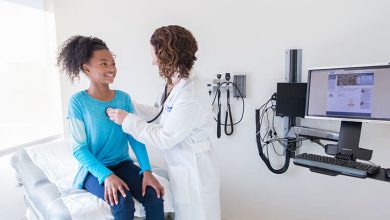
Clinics regularly conduct basic and advanced health screenings that help detect diseases before symptoms become severe.
Common screenings offered at clinics include:
-
Blood pressure and cholesterol checks
-
Blood glucose testing for diabetes
-
Body mass index (BMI) assessments
-
Vision and hearing tests
These routine evaluations often reveal early warning signs that patients may otherwise overlook.
Encouraging Preventive Medical Visits
Clinics promote a culture of preventive care, encouraging people to seek medical attention even when they feel healthy.
Preventive visits help:
-
Identify risk factors early
-
Monitor changes in health over time
-
Detect silent conditions such as hypertension or high cholesterol
Regular clinic visits significantly increase the chances of early diagnosis.
Early Identification of Chronic Diseases
Many chronic illnesses develop gradually and show minimal symptoms in the early stages. Clinics help detect conditions such as:
-
Diabetes
-
Heart disease
-
Asthma
-
Thyroid disorders
Through consistent monitoring and follow-ups, clinics ensure early intervention and long-term disease management.
Access to Diagnostic Testing
Modern clinics are often equipped with on-site diagnostic tools or referral systems for further testing.
Diagnostic services may include:
-
Laboratory blood and urine tests
-
Imaging referrals such as X-rays or ultrasounds
-
Infectious disease testing
Quick access to diagnostic services allows faster detection and treatment planning.
Supporting At-Risk Populations
Clinics frequently serve individuals who are at higher risk of undiagnosed diseases due to limited access to healthcare.
They contribute by:
-
Offering affordable or free screening programs
-
Providing care to elderly and low-income populations
-
Educating patients about risk factors and symptoms
This outreach helps reduce health disparities and promotes early diagnosis across diverse populations.
Monitoring Patient Health Over Time
Continuity of care is a major strength of clinics. By maintaining long-term patient records, clinics can:
-
Track health trends and changes
-
Identify abnormalities early
-
Adjust treatment plans proactively
Ongoing monitoring allows clinicians to detect subtle health shifts that may indicate emerging diseases.
Educating Patients on Warning Signs
Clinics empower patients with health education, helping them recognize early symptoms and seek care promptly.
Educational efforts often focus on:
-
Lifestyle-related risk factors
-
Early symptoms of common diseases
-
Importance of regular checkups
Informed patients are more likely to participate in early detection efforts.
Frequently Asked Questions (FAQs)
Why is early disease detection important?
Early detection allows timely treatment, reduces complications, and improves long-term health outcomes.
What diseases are commonly detected early at clinics?
Conditions such as diabetes, hypertension, heart disease, and infections are often identified early through clinic screenings.
How often should individuals visit clinics for screenings?
Most adults benefit from annual checkups, while high-risk individuals may need more frequent visits.
Can clinics detect diseases without symptoms?
Yes, many conditions show no early symptoms and are detected through routine screenings and tests.
Are clinic screenings accurate?
Clinic screenings are reliable and often serve as the first step before confirmatory diagnostic tests.
Do clinics provide follow-up after early detection?
Yes, clinics offer follow-up care, referrals, and treatment plans after early diagnosis.
How do clinics help reduce disease-related healthcare costs?
By detecting diseases early, clinics help prevent costly hospitalizations and advanced treatments.