
In today’s fast-paced world, stress has become an inevitable part of life. From work pressures to personal responsibilities, managing stress is crucial to maintaining both mental and physical health. One of the most effective and widely practiced methods to combat stress is meditation. Meditation techniques not only help to alleviate stress but also promote better overall health. Let’s explore several meditation techniques that can bring a sense of calm and well-being to your life.
1. Mindfulness Meditation: Staying Present in the Moment
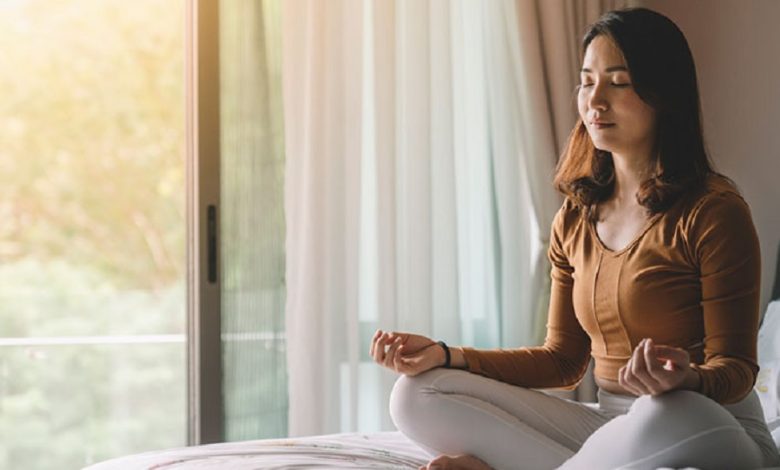
Mindfulness meditation is one of the most popular forms of meditation. It involves paying attention to the present moment without judgment. The primary focus is on observing thoughts, emotions, and sensations as they arise and allowing them to pass without attachment. By practicing mindfulness, individuals learn to acknowledge their stress and negative emotions without being overwhelmed by them.
This technique encourages deep breathing, bringing awareness to the inhale and exhale. As you focus on your breath, you create space between yourself and the stressors in your life. Mindfulness meditation helps to reduce anxiety, improve concentration, and cultivate emotional resilience.
2. Guided Meditation: Relaxing with a Guide’s Assistance
For those new to meditation, guided meditation can be a helpful and comforting approach. In guided meditation, a trained instructor or recorded audio leads you through the process. The guide typically provides visualizations or soothing instructions designed to help you relax, focus, and release tension.
This form of meditation is often used for stress relief as it provides a structured experience, which is particularly beneficial for beginners. Whether it’s imagining a peaceful beach or visualizing stress melting away, guided meditation can create a calming atmosphere that helps you unwind. By using your imagination and following the guidance, your mind is gently steered away from anxiety and stress.
3. Loving-Kindness Meditation (Metta): Cultivating Compassion
Loving-kindness meditation, also known as Metta, focuses on developing feelings of love and compassion for oneself and others. This technique involves repeating phrases of goodwill such as “May I be happy, may I be safe, may I live with ease,” and gradually extending these wishes to others, including loved ones, acquaintances, and even those with whom you have difficulties.
Metta meditation encourages empathy and fosters a sense of connectedness. By cultivating positive emotions and sending well-wishes to others, you may experience greater peace within yourself. This practice helps in reducing negative thoughts and enhances emotional well-being, making it an effective technique for stress relief.
4. Breathing Exercises: Harnessing the Power of the Breath
Breathing exercises are one of the simplest yet most effective meditation techniques for stress relief. They focus on controlled and conscious breathing to calm the nervous system and reduce tension. Deep breathing techniques, such as diaphragmatic breathing or box breathing, are particularly useful when experiencing stress or anxiety.
Diaphragmatic breathing involves breathing deeply into the abdomen, ensuring the lungs are fully expanded. This practice activates the parasympathetic nervous system, which is responsible for the body’s relaxation response. Box breathing, on the other hand, involves inhaling for a count of four, holding the breath for four, exhaling for four, and pausing for another four. By slowing down the breath and focusing on its rhythm, the body can achieve a state of calmness, which significantly reduces stress levels.
5. Transcendental Meditation: A Technique for Deep Relaxation
Transcendental Meditation (TM) is a form of meditation that involves the repetition of a specific mantra. The technique is simple yet powerful, and it encourages deep relaxation and reduced mental clutter. Unlike mindfulness meditation, where the focus is on the breath or present sensations, TM uses the mantra to anchor the mind and bring about a state of restful alertness.
Research has shown that TM helps in reducing cortisol levels, a hormone that is associated with stress. Regular practice can lead to improved cognitive function, better emotional regulation, and a significant decrease in stress. Many individuals who practice TM report feeling more centered, calm, and better equipped to handle the challenges of daily life.
6. Body Scan Meditation: Connecting Mind and Body
Body scan meditation is a technique that involves mentally scanning the body from head to toe, paying attention to areas of tension or discomfort. As you focus on each part of the body, you consciously release any physical tension that may be present. This technique is excellent for cultivating body awareness and deep relaxation.
By practicing a body scan, individuals are able to identify where they hold stress and tension, which may go unnoticed in their day-to-day lives. The practice of releasing physical tension can create a deep sense of relaxation, making it an ideal technique for those struggling with stress-related physical symptoms, such as muscle tightness or headaches.
7. Yoga and Meditation: A Mind-Body Connection
Yoga, when combined with meditation, provides an effective holistic approach to stress relief. While yoga poses promote physical flexibility and strength, meditation enhances the mental clarity and emotional calm necessary for true well-being. The slow, deliberate movements in yoga help release built-up tension in the body, while meditation allows the mind to relax and focus.
Integrating meditation into a yoga practice, especially during the final resting pose (Savasana), can help deepen the relaxation response. By combining both practices, you create a powerful synergy that promotes both physical and mental health. Many people find that this mind-body connection helps them manage stress more effectively and maintain a balanced lifestyle.
8. Sound Meditation: Using Sound for Healing and Relaxation
Sound meditation, also known as sound bath or vibrational therapy, uses sound frequencies to induce relaxation and mental clarity. The soothing tones of instruments such as gongs, singing bowls, or chimes create vibrations that resonate throughout the body. These sounds help to calm the mind and allow the listener to enter a meditative state.
The healing power of sound is said to promote relaxation by balancing the body’s energy centers, known as chakras. Sound meditation can be particularly helpful for individuals who find it challenging to quiet their minds during traditional meditation. The external sound provides an anchor, allowing for deeper focus and relaxation.
9. Progressive Muscle Relaxation: Releasing Tension Throughout the Body
Progressive muscle relaxation (PMR) is a technique where individuals tense and then release different muscle groups in the body, starting from the feet and working upwards toward the head. This practice helps to release physical tension and promotes a sense of calm.
PMR is particularly effective for reducing stress-related physical symptoms, such as headaches, muscle tension, and tightness in the chest. By systematically relaxing each muscle group, you activate the body’s relaxation response and reduce the physical effects of stress.
10. Consistency: Building a Sustainable Meditation Practice
While practicing meditation techniques can bring immediate stress relief, consistency is key to reaping long-term health benefits. Setting aside a few minutes each day to meditate, whether it’s in the morning, during lunch, or before bedtime, helps build a sustainable habit. Over time, regular meditation can significantly reduce stress, enhance overall well-being, and improve mental clarity.
As you integrate meditation into your daily routine, you will likely find that your ability to manage stress improves, and your overall health is positively impacted.
A Path to Inner Calm and Better Health
Meditation techniques provide a powerful way to manage stress and enhance health. By incorporating mindfulness, breathing exercises, loving-kindness, or other forms of meditation into your daily routine, you can achieve a sense of peace, balance, and emotional resilience. Whether you are new to meditation or a seasoned practitioner, these techniques can guide you toward a more relaxed and healthier lifestyle.