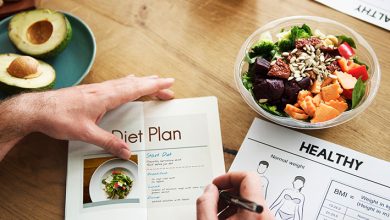


Quality sleep and proper recovery don’t start when your head hits the pillow—they begin with what’s on your plate throughout the day. The right dietary choices can calm your nervous system, stabilize blood sugar, and support the hormones responsible for deep sleep and physical recovery. Below is a practical, evidence-based guide to eating in a way that truly supports better rest and next-day recovery.
How Diet Influences Sleep and Recovery
Sleep and nutrition are tightly linked. Certain nutrients help the body produce melatonin and serotonin, regulate stress hormones, and repair muscle tissue during rest. Poor food timing or unbalanced meals, on the other hand, can trigger nighttime awakenings, restless sleep, and sluggish recovery.
Key dietary factors that affect sleep quality include:
-
Blood sugar stability
-
Digestive comfort
-
Hormone production
-
Inflammation levels
Prioritize Balanced Evening Meals
A well-composed dinner sets the stage for uninterrupted sleep.
Aim for a balance of:
-
Complex carbohydrates (quinoa, brown rice, sweet potatoes)
-
Lean protein (fish, eggs, tofu, turkey)
-
Healthy fats (olive oil, avocado, nuts)
This combination slows digestion, prevents nighttime hunger, and supports muscle repair without overloading the digestive system.
Include Sleep-Supporting Nutrients
Certain nutrients play a direct role in relaxation and recovery.
Magnesium-Rich Foods
Magnesium helps relax muscles and calm the nervous system.
-
Spinach
-
Pumpkin seeds
-
Almonds
-
Black beans
Tryptophan-Containing Foods
Tryptophan is an amino acid needed for melatonin production.
-
Turkey
-
Eggs
-
Yogurt
-
Chickpeas
Omega-3 Fatty Acids
These help reduce inflammation and may improve sleep depth.
-
Salmon
-
Sardines
-
Walnuts
-
Flaxseeds
Be Smart About Meal Timing
When you eat matters almost as much as what you eat.
-
Finish large meals 2–3 hours before bedtime
-
If hungry later, choose a small, light snack
-
Avoid lying down immediately after eating
Late heavy meals can interfere with digestion and disrupt deep sleep cycles.
Choose the Right Pre-Bed Snacks
If you need something before bed, keep it simple and sleep-friendly.
Good options include:
-
Greek yogurt with berries
-
A banana with a small handful of nuts
-
Oatmeal with cinnamon
-
Warm milk or a plant-based alternative
These snacks support relaxation without causing blood sugar spikes.
Limit Sleep-Disrupting Foods and Drinks
Some foods actively work against quality sleep and recovery.
Reduce or avoid in the evening:
-
Caffeine (coffee, energy drinks, dark chocolate)
-
Alcohol, which fragments sleep cycles
-
Spicy or greasy foods that cause reflux
-
Sugary desserts that spike blood glucose
Even if alcohol makes you feel sleepy initially, it often leads to lighter, less restorative sleep.
Stay Hydrated—But Not Too Late
Hydration is essential for muscle recovery and circulation, but timing matters.
-
Drink most fluids earlier in the day
-
Reduce intake 1–2 hours before bed
-
Avoid waking frequently for bathroom trips
Electrolyte-rich foods during the day can help maintain hydration without excess nighttime drinking.
Support Recovery with Daytime Nutrition
Sleep recovery isn’t only about nighttime habits.
-
Eat enough protein across the day to support muscle repair
-
Include antioxidant-rich fruits and vegetables to reduce inflammation
-
Don’t skip meals, as under-eating can elevate stress hormones and disrupt sleep
Consistent nourishment helps your body fully utilize sleep for recovery.
FAQs
1. Can diet alone fix poor sleep quality?
Diet plays a major role, but sleep hygiene, stress management, and consistent schedules are also essential for lasting improvement.
2. Are carbohydrates bad before bed?
Complex carbohydrates in moderate portions can actually help sleep by supporting serotonin and melatonin production.
3. Does protein before bed help recovery?
Yes, small amounts of protein can support overnight muscle repair without harming sleep if digestion is comfortable.
4. Is herbal tea effective for better sleep?
Caffeine-free herbal teas like chamomile or peppermint may promote relaxation, though results vary by individual.
5. How does blood sugar affect sleep?
Large spikes or drops in blood sugar can cause nighttime awakenings and restless sleep.
6. Should athletes eat differently for sleep and recovery?
Active individuals often need more calories and protein, but meal timing and food quality remain just as important.
7. Can dehydration disrupt sleep?
Yes, dehydration may cause muscle cramps, headaches, and poor recovery, all of which can interfere with sleep.