

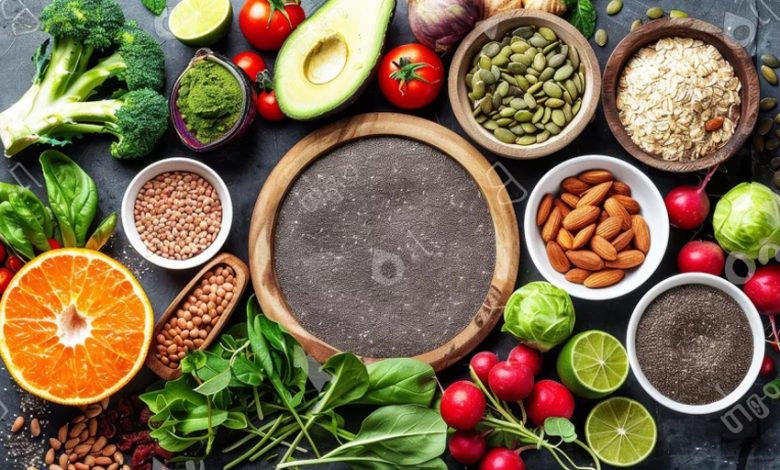
Achieving long-term health doesn’t require extreme diets or rigid food rules. Sustainable nutrition is about building habits you can maintain for years, not weeks. Small, intentional choices around food can improve energy, digestion, and overall well-being—without making life feel restrictive.
Below are simple, practical nutrition tips that support realistic and lasting health goals.
Focus on Whole, Minimally Processed Foods
Whole foods form the foundation of balanced nutrition. They provide essential nutrients while helping regulate appetite and blood sugar.
Prioritize foods such as:
-
Fresh fruits and vegetables
-
Whole grains like oats, brown rice, and quinoa
-
Lean proteins including eggs, legumes, fish, and poultry
-
Healthy fats from nuts, seeds, olive oil, and avocados
Minimizing ultra-processed foods doesn’t mean eliminating convenience—it means choosing options with short ingredient lists and recognizable components.
Build Balanced Plates Instead of Counting Calories
Sustainable eating works best when it’s visual and intuitive.
A balanced plate typically includes:
-
½ vegetables or fruits for fiber and micronutrients
-
¼ protein to support muscle and satiety
-
¼ whole grains or starchy vegetables for steady energy
-
A small amount of healthy fat for nutrient absorption
This approach naturally supports portion control without the stress of constant tracking.
Eat Regularly to Support Energy and Metabolism
Skipping meals often leads to overeating later in the day. Consistent meals help stabilize blood sugar and improve focus.
Helpful habits include:
-
Eating every 3–5 hours
-
Including protein and fiber at each meal
-
Planning simple snacks like yogurt, fruit, or nuts
Regular eating patterns are easier to maintain and reduce the urge for impulsive food choices.
Stay Hydrated Throughout the Day
Hydration plays a major role in digestion, energy levels, and appetite regulation.
Simple ways to drink more water:
-
Start your day with a glass of water
-
Carry a reusable bottle
-
Drink water before meals
-
Add lemon, mint, or cucumber for flavor
While needs vary, listening to thirst cues and maintaining pale yellow urine is a practical hydration guide.
Practice Mindful Eating
Mindful eating helps you reconnect with hunger and fullness signals.
Try to:
-
Eat without screens when possible
-
Chew slowly and notice textures and flavors
-
Pause mid-meal to assess fullness
-
Stop eating when comfortably satisfied
This approach reduces overeating and builds a healthier relationship with food.
Plan Meals, But Keep It Flexible
Meal planning supports consistency, but perfection isn’t required.
Aim for:
-
Simple weekly meal ideas, not rigid menus
-
Repeating meals you enjoy
-
Stocking easy staples for busy days
Flexibility prevents burnout and allows nutrition to fit real-life schedules.
Allow All Foods Without Guilt
Long-term health improves when food is not labeled as “good” or “bad.”
Including favorite foods in moderation:
-
Reduces cravings
-
Prevents binge–restrict cycles
-
Improves consistency
Sustainable nutrition supports both physical health and mental well-being.
Progress Comes from Consistency, Not Perfection
Small choices repeated daily matter more than occasional “perfect” meals. Focus on what you can do most of the time, and allow room for enjoyment and balance.
Healthy eating should support your life—not control it.
Frequently Asked Questions (FAQs)
1. How long does it take to see results from better nutrition?
Most people notice improved energy and digestion within a few weeks, while body composition and long-term health markers improve gradually over months.
2. Can I eat healthy without cooking every day?
Yes. Simple meals, leftovers, frozen vegetables, and minimally processed convenience foods can all support healthy eating.
3. Are carbohydrates bad for sustainable health goals?
No. Whole-food carbohydrates provide energy, fiber, and nutrients essential for long-term health when consumed in balanced portions.
4. How do I stay consistent with healthy eating when busy?
Planning simple meals, keeping nutritious snacks available, and focusing on balanced plates helps maintain consistency during busy periods.
5. Is it okay to eat the same meals repeatedly?
Absolutely. Repeating meals can reduce decision fatigue and make healthy eating easier to sustain.
6. Do I need supplements if I eat a balanced diet?
Many people meet their needs through food alone, but individual requirements vary. Supplements should be personalized based on diet and lifestyle.
7. How do I avoid feeling deprived while eating healthier?
Including foods you enjoy, practicing moderation, and focusing on abundance rather than restriction helps prevent feelings of deprivation.