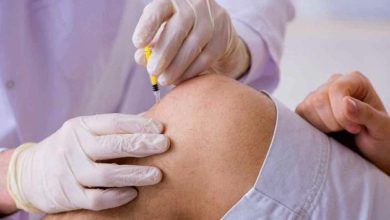
Treatment: In-Depth Insights into Modern Medical Approaches and Therapeutic Strategies


Treatment in modern medicine refers to the interventions designed to alleviate symptoms, eradicate disease, and restore health. Effective treatment encompasses a wide spectrum, including pharmacological therapies, surgical procedures, physical rehabilitation, psychological support, and emerging technologies. Understanding evidence-based treatment strategies is essential for both healthcare professionals and patients seeking informed medical care, as it influences outcomes, recovery times, and long-term wellbeing.
Types of Medical Treatment
Treatment can be broadly classified into several categories, each addressing specific aspects of disease management and patient care.
Pharmacological Treatment
Medications remain a cornerstone of medical treatment, targeting biochemical pathways to correct dysfunction or alleviate symptoms.
- Antimicrobial Therapy: Used to combat bacterial, viral, fungal, or parasitic infections. Proper dosing, duration, and antibiotic stewardship are critical to prevent resistance.
- Chronic Disease Medications: Includes antihypertensives, insulin for diabetes, lipid-lowering agents, and disease-modifying drugs for autoimmune conditions.
- Pain Management and Analgesics: Non-opioid medications, opioids, and adjuvant therapies are tailored to patient needs, balancing efficacy and safety.
Surgical and Procedural Interventions
Surgical treatment involves physically addressing disease or injury, ranging from minimally invasive procedures to complex operations.
- Minimally Invasive Surgery: Laparoscopic and robotic-assisted surgeries reduce recovery time, minimise tissue trauma, and lower infection risk.
- Orthopaedic Procedures: Joint replacements, fracture repairs, and spinal surgeries restore mobility and function.
- Cardiovascular Interventions: Angioplasty, stenting, and bypass surgeries manage heart disease and prevent complications such as heart attacks.
Physical and Rehabilitation Therapies
Treatment often extends beyond medical and surgical interventions to include rehabilitation aimed at restoring functionality and improving quality of life.
- Physiotherapy: Utilises targeted exercises, manual therapy, and modalities such as ultrasound or electrical stimulation to restore movement and reduce pain.
- Occupational Therapy: Focuses on improving daily living skills and adapting environments for patient independence.
- Cardiac and Pulmonary Rehabilitation: Structured programs improve endurance, strength, and lung capacity following cardiovascular or respiratory events.
Psychological and Behavioural Therapies
Mental health is a critical component of comprehensive treatment, addressing cognitive, emotional, and behavioural disorders.
- Cognitive Behavioural Therapy (CBT): Effective for anxiety, depression, and chronic pain management.
- Psychiatric Medications: Antidepressants, antipsychotics, and anxiolytics complement therapy in managing mental health conditions.
- Mindfulness and Stress Reduction Techniques: Support emotional regulation, coping strategies, and overall wellbeing.
Evidence-Based Treatment Strategies
Modern medical treatment emphasises evidence-based practice, integrating clinical expertise with scientific research and patient-specific considerations.
Individualised Treatment Plans
Tailoring treatment to the patient’s condition, genetics, comorbidities, and lifestyle optimises outcomes.
- Comprehensive assessment including history, physical examination, and diagnostic tests
- Consideration of patient preferences, social factors, and potential barriers to adherence
- Regular monitoring and adjustment based on response to therapy
Multimodal and Combination Therapies
Complex diseases often require a combination of treatments to address multiple pathophysiological mechanisms.
- Cancer Management: Surgery, chemotherapy, radiation, and immunotherapy are combined based on tumour type and stage.
- Chronic Pain: Integrating pharmacologic, physical, and psychological therapies improves function and reduces dependence on opioids.
- Diabetes Care: Combines dietary management, exercise, glucose monitoring, and pharmacotherapy for optimal glycaemic control.
Preventive and Maintenance Treatment
Treatment is not limited to acute illness; preventive measures maintain health and reduce disease recurrence.
- Vaccinations and prophylactic medications
- Lifestyle modification programs for cardiovascular, metabolic, or musculoskeletal health
- Routine screenings and follow-ups for chronic disease management
Advances in Treatment Technologies
Technological innovation continues to transform treatment approaches, increasing precision, safety, and accessibility.
Telemedicine and Remote Monitoring
Telehealth facilitates ongoing treatment, particularly for chronic diseases, rehabilitation, and mental health support.
- Remote consultations reduce travel and improve adherence
- Home monitoring devices track vital signs and disease progression
- Integration with electronic health records allows seamless communication between healthcare providers
Minimally Invasive and Robotic Surgery
Advances in surgical technology enhance treatment outcomes by reducing operative risk and promoting faster recovery.
- High-definition imaging and robotic instruments improve precision
- Smaller incisions lower infection rates and post-operative pain
- Shorter hospital stays and accelerated rehabilitation programs
Personalized and Precision Medicine
Genetic and molecular profiling informs targeted treatment strategies, enhancing efficacy and minimising adverse effects.
- Pharmacogenomics guides drug selection and dosing
- Targeted cancer therapies attack specific mutations while sparing healthy tissue
- Immunotherapy tailors treatment to the patient’s immune response
Regenerative Medicine
Emerging treatments harness the body’s natural repair mechanisms to restore function and treat previously untreatable conditions.
- Stem cell therapy for musculoskeletal injuries, cardiac repair, and neurodegenerative diseases
- Tissue engineering to reconstruct damaged organs or tissues
- Gene editing approaches to correct hereditary disorders
Integrating Lifestyle and Supportive Measures
Treatment effectiveness improves when combined with lifestyle modification and supportive care.
Nutrition and Diet
- Tailored dietary interventions support healing, reduce inflammation, and manage chronic conditions.
- Specific diets, such as low-sodium for hypertension or low-glycaemic index for diabetes, complement medical treatment.
Physical Activity
- Structured exercise enhances recovery, cardiovascular health, and musculoskeletal strength.
- Rehabilitation programs integrate activity progressively to restore function without overexertion.
Mental Health and Emotional Support
- Incorporating counselling, stress reduction techniques, and peer support improves adherence and overall quality of life.
- Holistic approaches recognise the interconnection between mental and physical health.
Monitoring and Evaluating Treatment Outcomes
Regular evaluation ensures that treatment remains effective and safe.
- Use of biomarkers, imaging, and patient-reported outcomes to track progress
- Adjusting treatment plans based on response, side effects, and evolving health status
- Multidisciplinary case reviews for complex or chronic conditions
FAQs About Medical Treatment
1. How is an appropriate treatment determined for a patient?
Through comprehensive assessment, diagnostic testing, consideration of comorbidities, patient preferences, and evidence-based clinical guidelines.
2. Are minimally invasive surgeries always preferable to traditional surgery?
While minimally invasive procedures often reduce recovery time and complications, suitability depends on disease type, patient health, and surgical expertise.
3. Can telemedicine replace in-person treatment?
Telemedicine is highly effective for consultations, follow-ups, and chronic disease management, but certain procedures and acute conditions require in-person care.
4. How do personalised treatments improve outcomes?
By tailoring interventions to an individual’s genetic profile, disease characteristics, and lifestyle, personalised treatments enhance efficacy and reduce adverse effects.
5. What role does rehabilitation play in treatment?
Rehabilitation restores function, reduces disability, and improves quality of life after injury, surgery, or chronic illness.
6. How do lifestyle factors influence treatment success?
Proper nutrition, exercise, stress management, and sleep support healing, enhance treatment efficacy, and prevent recurrence or complications.
7. Are combination therapies more effective than single treatments?
For complex or chronic conditions, combination therapies address multiple mechanisms, improving outcomes and reducing the likelihood of resistance or relapse.
8. How is treatment effectiveness monitored over time?
Through clinical evaluations, diagnostic tests, patient feedback, and tracking of measurable outcomes, allowing adjustments as needed.
Treatment in modern medicine is a multifaceted, evidence-based practice that integrates clinical expertise, patient-centred care, and technological innovation. Effective treatment strategies consider the unique needs of each patient, employ advanced therapeutic modalities, and incorporate lifestyle and rehabilitative support to optimise recovery and long-term health. By combining these approaches, the medical community continues to improve outcomes, reduce disease burden, and enhance the overall quality of life for patients worldwide.